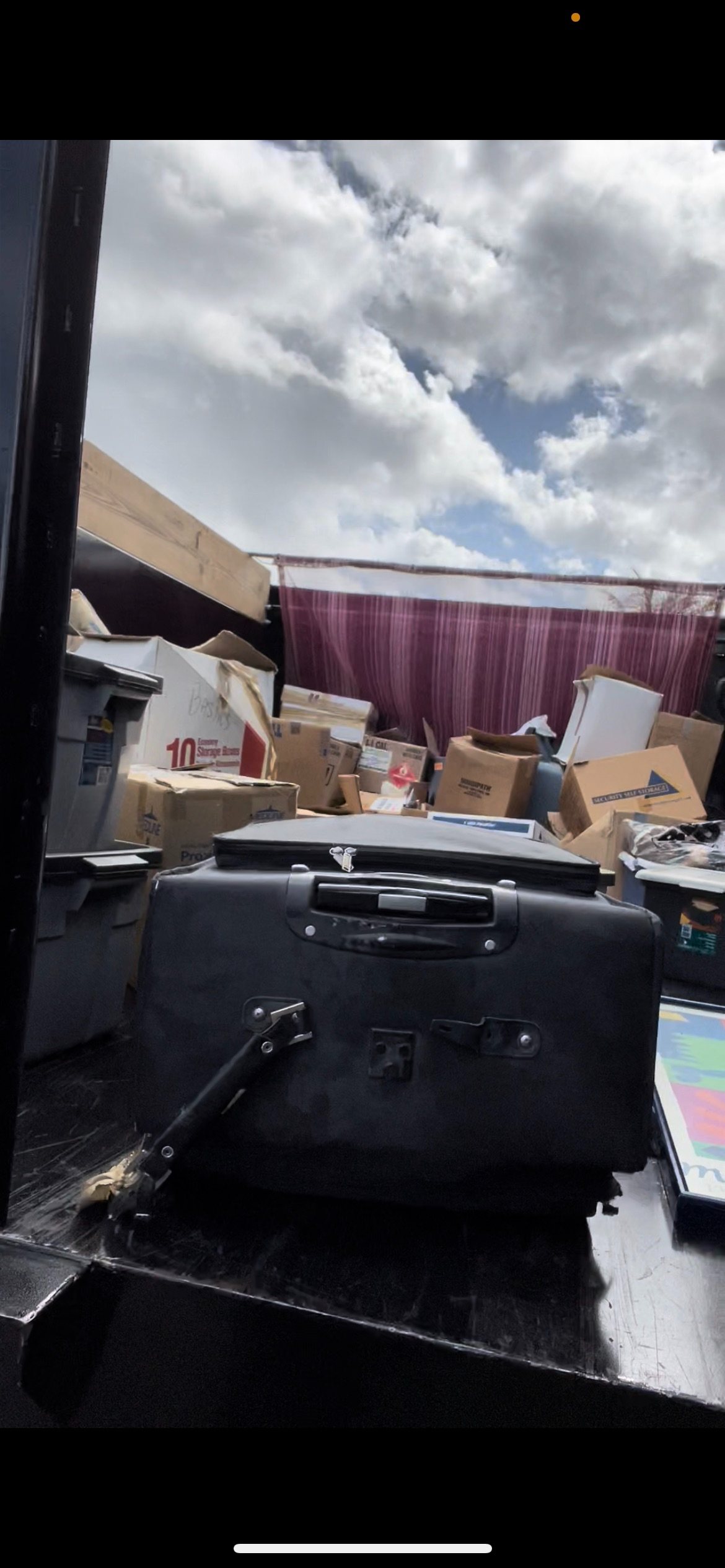
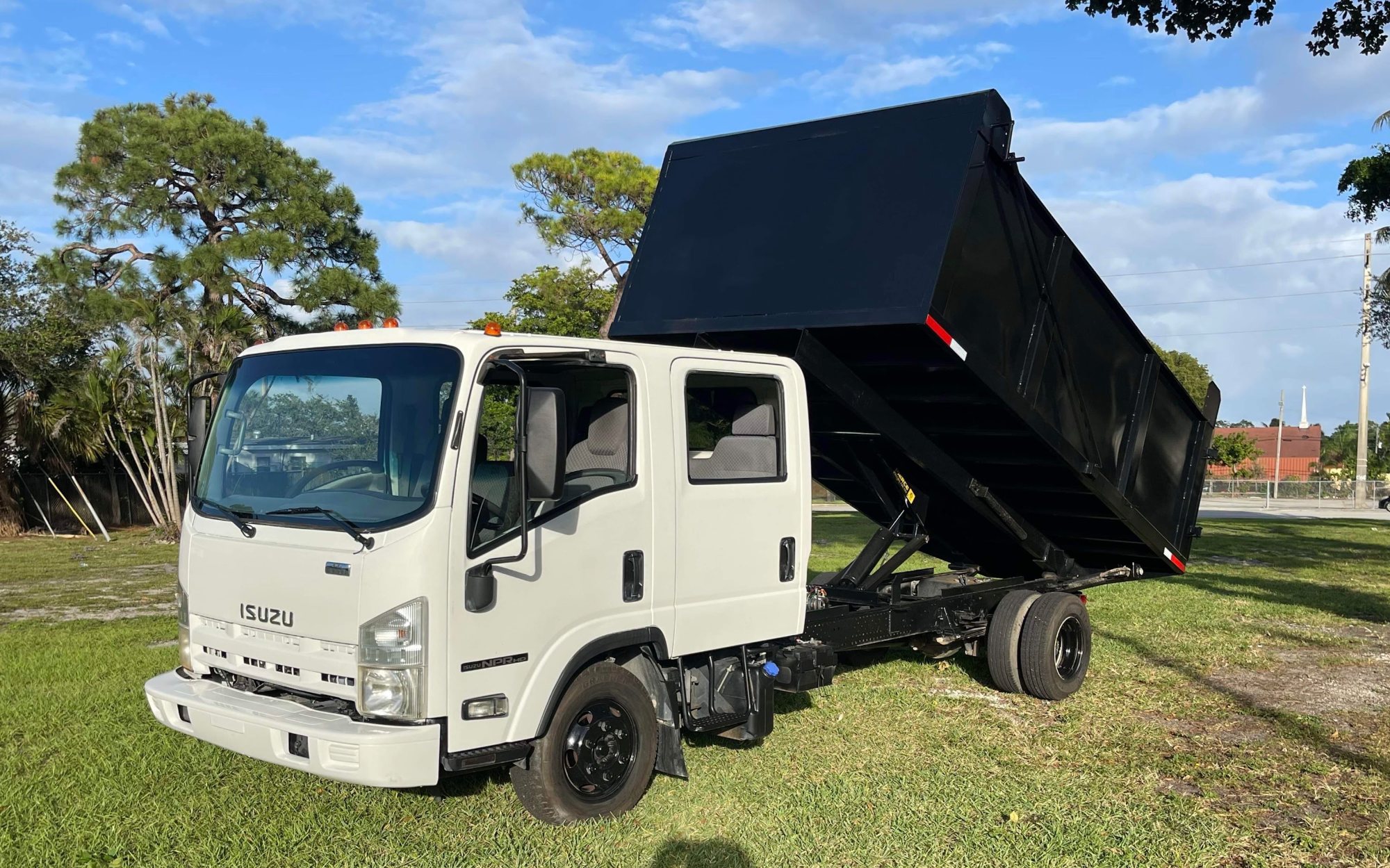
The question comes up most on estate jobs. A family has just watched a parent's furniture go into a truck, and somebody asks quietly: where does it actually go?
It is a fair question and it deserves more than "we recycle." Here is the honest version, including the parts that are less flattering.
The load gets sorted before anything else happens
Nothing goes straight to a landfill. Every load is separated first, and that sorting is the entire difference between a company that keeps things in circulation and one that does not.
It is slow and unglamorous and it is where the actual environmental outcome is decided.
Donation: the first question on every item
The first question is never "can this be recycled." It is "would somebody use this."
Because a donated dining set does two things at once: it stays out of a landfill, and it means a family somewhere in Broward County did not have to buy a new one. The second effect is much larger than the first, and it is the reason donation sits at the top of the order.
What typically goes: furniture in sound condition, working appliances, tools, kitchenware, books, kids' equipment, unopened household goods.
What does not, however much we would like it to: anything with structural damage, water-damaged upholstery, mattresses in most cases, and items that are simply too worn. Charities have limited storage and turning up with things they cannot use makes their job harder, not easier.
Metal recycling: the biggest stream by weight
Appliance shells, bed frames, fencing, gates, railings, exercise equipment, BBQs, filing cabinets, garage shelving.
Metal is the easy win. It recycles indefinitely without losing quality, there is an established market for it, and a scrapped washing machine genuinely comes back as steel. On a typical household load this is a large share of the total weight.
Electronics: their own stream, always
TVs, monitors, computers, printers, stereo equipment.
E-waste contains both recoverable material and things that should never go into general waste. It goes to processors set up for it. This is not optional and it should never be mixed into a general load.
Refrigerant: the one with legal teeth
Refrigerators, freezers, window AC units, air handlers, dehumidifiers.
These contain refrigerant that has to be recovered by a certified processor before the unit is scrapped. Venting it is illegal under EPA rules and does real atmospheric damage — these are potent greenhouse gases far out of proportion to their volume.
This is why bulk pickup will not take your fridge, and why it is worth caring who does.
Vegetative waste: kept separate
Branches, palm fronds, hedge cuttings. Processed into mulch and compost rather than buried — but only if kept apart from general waste. Mixing a broken fence into a load of branches turns a compostable pile into landfill.
In storm season this is a large part of what we move.
And then: what actually goes to the landfill
Here is the part most companies skip.
Some of it is genuinely finished. Broken particle-board furniture — which is most cheap furniture — has essentially no recovery route. Soiled or damaged mattresses are difficult and often go to disposal. Mixed construction rubble, contaminated material, and the general category of things that are neither donatable nor separable all end up at the transfer station.
On a normal household job that is under half the load. On a demolition or renovation clearout it can be considerably more.
We are not going to claim a diversion percentage, because we do not run a weighbridge and neither does anyone else making that claim off the back of a pickup truck. What we can tell you is that the sorting genuinely happens, and if you want to know where a specific item went, ask and we will tell you.
Two things you can do that actually help
- Tell us what still works. Thirty seconds of information routes an appliance to donation instead of scrap.
- Set hazardous items aside. Chemicals and propane cannot come with us, and separating them means we can point you at the right Broward County drop-off rather than leaving them behind in an otherwise finished job.
Everything else is our problem. Call (954) 536-8189.
Need this done rather than read about?
Free quote, firm price given on site before anything moves, and same-day service across Coral Springs and all of Broward County. Licensed and insured — and we do every bit of the lifting.