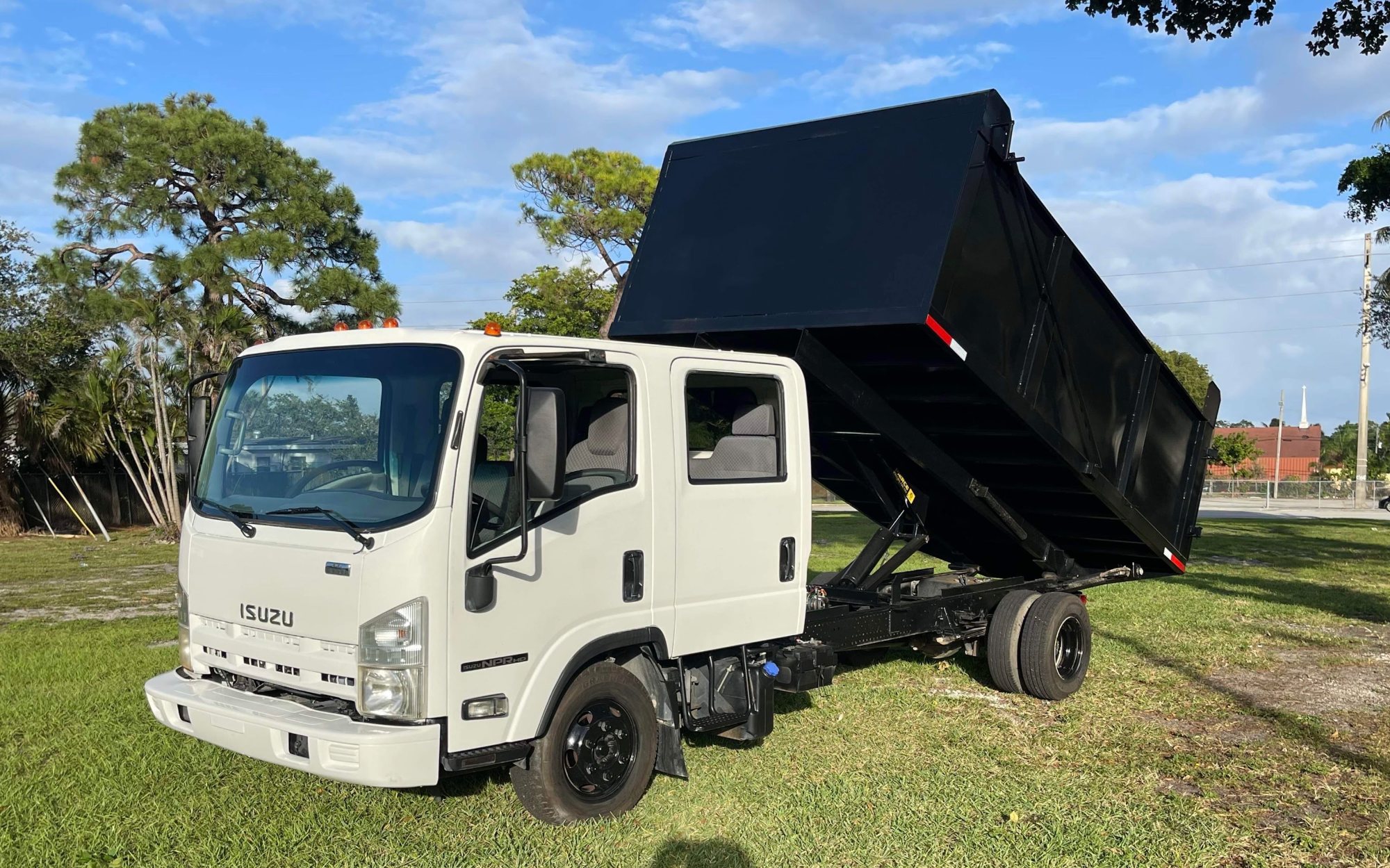
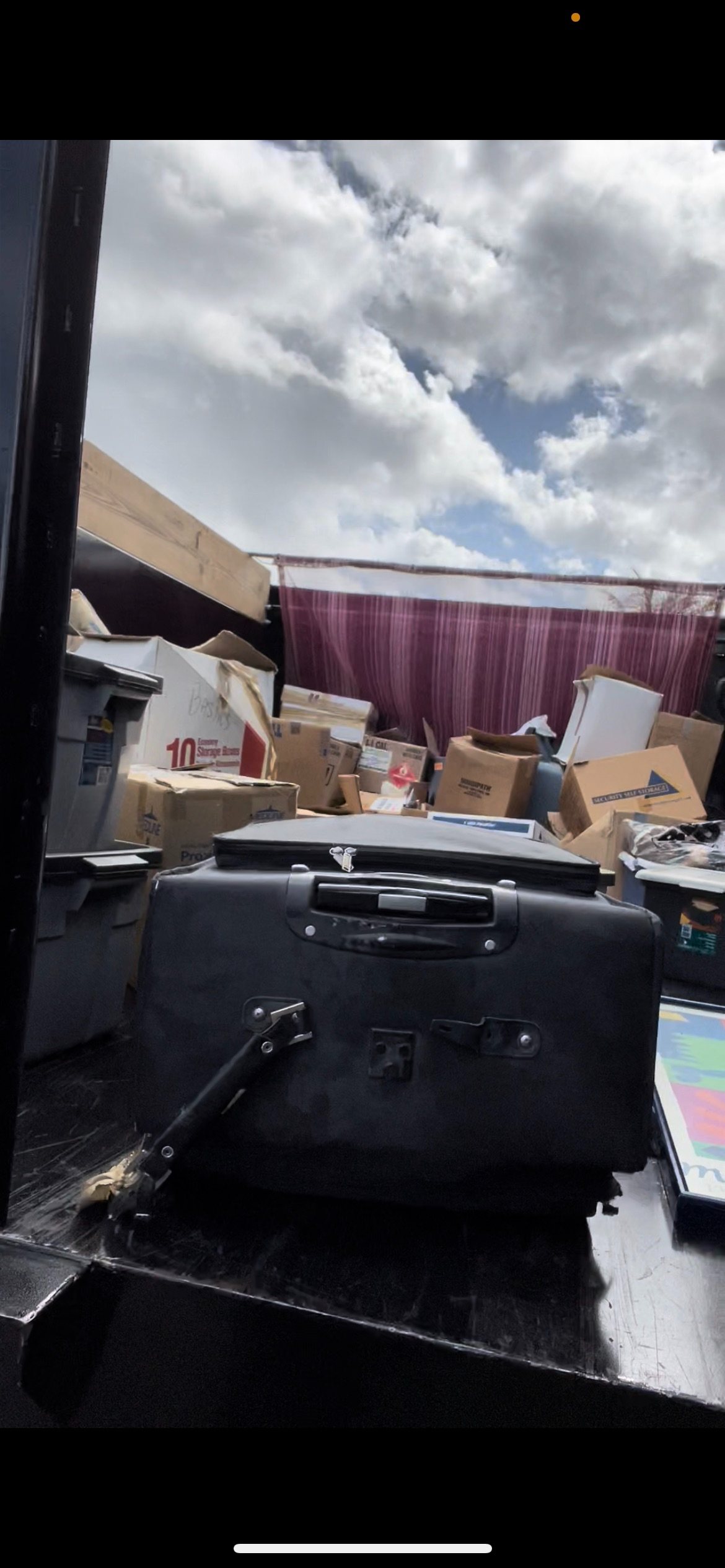
The single most avoidable expense in any move is paying professionals to transport things you are going to discard within a year.
It happens constantly, because sorting is harder than packing and packing has a deadline. So everything gets boxed, moved, and then sits in the new garage.
Here is the version that saves money.
Do the clearout three weeks out, not the night before
Timing is the whole thing. Three weeks gives you space to sell anything worth selling, book a donation collection, and get a hauler in without paying for urgency.
The night before, none of those options exist and everything goes on the truck.
What is almost never worth moving
Cheap flat-pack furniture. Particle-board furniture generally does not survive disassembly and reassembly well. Once it has been apart, joints do not tighten the same way. Moving it often costs more than replacing it.
Old mattresses. Bulky, awkward, priced accordingly by movers, and unpleasant to move between homes. If it is near the end, end it here.
Anything in the garage you have not touched in two years. The garage is where moves go wrong. It is the last room packed, always underestimated, and full of exactly the things nobody has used.
Books you will not reread. Extremely heavy, which matters if your mover prices by weight. Keep the ones that matter; donate the rest.
Paint, chemicals and propane. Not a preference — most movers will not transport them, and neither will we. They need a Broward County household hazardous waste drop-off.
Anything that only fits the old house. Curtains cut to specific windows, a rug sized to one room, shelving built for one alcove. Measure before assuming.
Appliances you are not taking. Obvious, and yet the old fridge in the garage regularly gets forgotten until the day.
The South Florida additions
Two categories specific to here.
Anything stored in the garage on the floor. Humidity and a concrete slab do slow damage. Check the bottom of boxes before you decide to take them — both for your back and because that is where the answer is.
Outdoor furniture past its third summer. UV degradation is not always visible until something fails structurally. If it has done three seasons out here, look closely before paying to move it.
Sequence it properly
- Three weeks out: walk every room and mark what is not going. Include the garage, shed and patio.
- Two weeks out: list anything genuinely worth selling. Give it a hard deadline.
- One week out: donation collection, or drop-off.
- A few days out: clearout for everything left, including anything unsold.
- Moving day: movers handle only what is going.
That "anything unsold" step is the one people skip, and it is why unsold items get moved. Set the deadline in advance and honour it.
The other end of the move
Two more calls we take regularly.
Packaging. A house move generates a startling volume of cardboard and wrapping. It compacts poorly and overwhelms recycling bins for weeks.
What the previous owner left. Very common, particularly on estate sales and investor purchases. Usually the heavy things nobody wanted to move — and now they are yours.
Both are small, quick jobs.
What it costs
A pre-move clearout is typically a quarter to half truckload — $150 to $400 — cleared in about an hour.
Set against a mover's rate for the same volume, plus not paying to store it at the other end, it usually pays for itself on the day.
Call (954) 536-8189 about three weeks before you move. That is the point where you have options.
Need this done rather than read about?
Free quote, firm price given on site before anything moves, and same-day service across Coral Springs and all of Broward County. Licensed and insured — and we do every bit of the lifting.